
.svg)
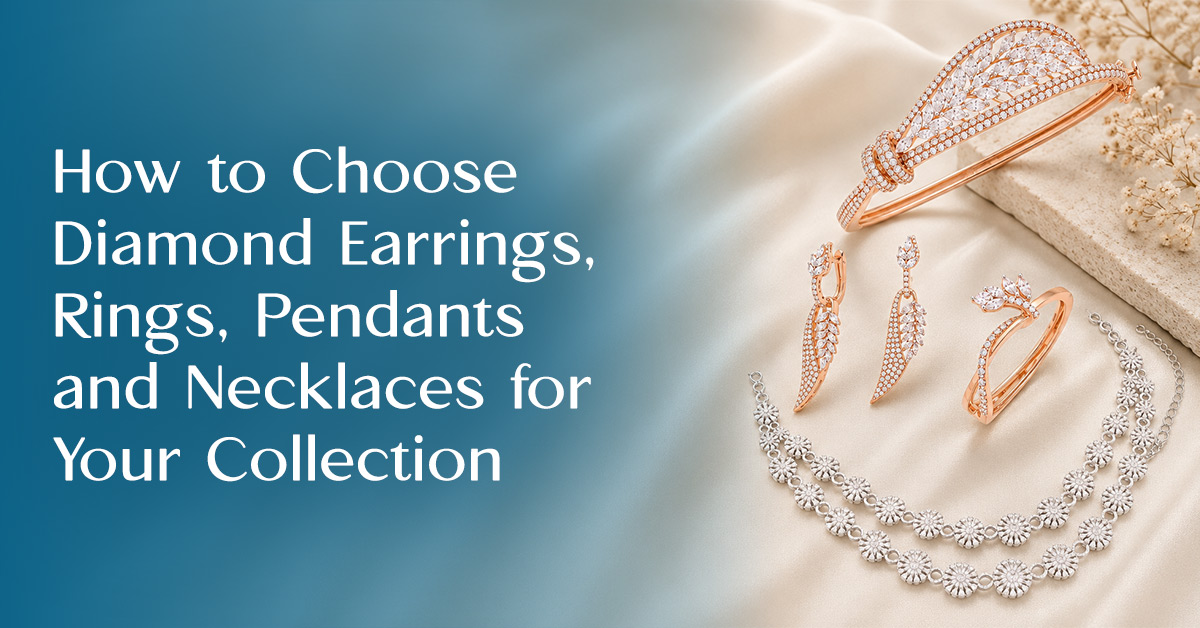
How to Choose Diamond Earrings, Rings, Pendants and Necklaces for Your Collection

August 21, 2026
A jewellery collection begins to take shape when individual pieces start answering different customer needs. A pair of diamond earrings may become an everyday purchase, a ring may carry a more personal meaning, while a pendant or necklace can become the piece a customer chooses for a celebration or an important gift.
For retailers, this makes assortment planning an important part of buying. The objective is to create enough variety for customers to find something that feels right while keeping the collection connected through design, quality and price.
Working with the right natural diamond jewellery manufacturer can make this process more considered. A manufacturer with broad design and production experience can help retailers build across categories while keeping the collection cohesive, allowing individual pieces to work together rather than sitting as unrelated designs.
Building a Diamond Jewellery Collection Around the Way Customers Buy
Customers rarely enter a jewellery store thinking exclusively in terms of categories. They arrive with an occasion, a budget, a style preference or simply the desire to find something they have been imagining.
A retailer's collection needs to meet these different starting points.
Daily wear creates demand for lightweight earrings, rings and pendants that can become part of a customer's regular wardrobe. Gifting brings another consideration, where recognisable forms and accessible designs can make the purchase easier to approach. Bridal and occasion buying creates room for necklaces, statement earrings and pieces with greater visual presence.
A balanced diamond jewellery collection therefore needs variation in scale and purpose. The categories should give customers different ways into the collection while maintaining a sense of continuity across the range.
Choosing Diamond Earrings for Your Collection
Earrings often have an important place in a retail assortment because they offer customers a straightforward way to wear diamonds. Studs, smaller drops and more expressive designs can serve very different buying occasions, even when they sit within the same category.
For daily wear, proportion becomes particularly important. A smaller design with considered detailing can have a strong retail role because it works across wardrobes and occasions. Larger earrings can bring greater presence to the collection and give customers an option for weddings, celebrations and evening dressing.
When selecting earrings, retailers can therefore look beyond individual designs and consider how the category moves from an everyday purchase to a more significant occasion piece. A natural diamond jewellery manufacturer with experience across these segments can develop this range with a clearer understanding of how the pieces need to sit together.
Selecting Diamond Rings That Give the Collection Depth
Rings occupy a particularly interesting position within diamond jewellery because customers associate them with both everyday adornment and deeply personal occasions.
A retail assortment can include delicate diamond rings that customers buy for themselves, designs suitable for gifting, and more elaborate pieces intended for celebrations or milestones. Each serves a different purpose, giving the retailer an opportunity to create depth within a relatively compact category.
Design proportion becomes important here. A ring with a smaller centre stone and fine detailing creates a different impression from a design with greater volume or a more pronounced setting. The collection becomes stronger when these differences feel deliberate and give customers a clear progression in design and value.
For retailers, the question is therefore less about how many ring designs to stock and more about whether the assortment gives customers meaningful choices within the category.
Choosing Pendants and Necklaces for Different Occasions
Pendants and necklaces can bring another dimension to a diamond jewellery collection, particularly when retailers want to create a bridge between everyday jewellery and occasion dressing.
A delicate pendant may appeal to a customer looking for a personal purchase or a thoughtful gift. A more elaborate necklace can anchor a festive or bridal assortment. Between these ends, there is considerable scope for designs that carry enough presence for special occasions while remaining easy to style.
Neckwear also creates opportunities to build relationships between categories. A pendant may complement a pair of earrings from the same collection, while a necklace can be paired with rings or bracelets to create a more complete look. These connections give customers another reason to explore the assortment beyond the first piece they came to see.
How to Create Cohesion Across the Collection
The strongest collections usually have a recognisable design language running through them. This can come from the proportions used across pieces, the treatment of diamonds, the choice of metal, or small details that recur from one category to another.
This does not mean every earring needs to resemble every ring. The collection should have enough distinction to keep discovery interesting. What matters is that the pieces feel as though they belong to the same design world.
This becomes especially valuable when a retailer replenishes a successful collection. New earrings added months later should sit naturally beside existing pendants, rings and necklaces. A manufacturer with strong product development and production capabilities can maintain this relationship as the assortment expands.
For a retailer, that continuity makes the collection easier to build over time and gives customers a more complete view of the brand's jewellery offering.
Choosing the Right Natural Diamond Jewellery Manufacturer
The manufacturer behind a collection has a direct influence on how effectively a retailer can build and maintain its assortment. Design breadth is one consideration, but the relationship also depends on craftsmanship, manufacturing capability, quality control and the ability to develop related designs when a category performs well.
A retailer may begin with a selection of earrings and later want matching pendants, rings or necklaces. The manufacturer needs the design expertise to extend the collection while preserving its original character.
This is where an experienced natural diamond jewellery manufacturer becomes particularly valuable. The manufacturer is able to look at the assortment as a whole, understand how the categories relate to one another, and develop pieces that give the retailer more ways to serve the same customer.
Building a Collection That Can Grow With Your Retail Business
A well-planned diamond jewellery collection gives retailers room to respond as customer preferences change. Some designs become dependable sellers, some create interest around a new season, and others establish a particular character for the store.
Ariha has spent more than 20 years developing natural diamond jewellery across categories and retail requirements, working with retailers in India and international markets. Its collections span classic, daily wear, bridal, Indo Western, stackable and colour stone diamond jewellery, giving retailers the breadth to build assortments around different customer occasions.
For retailers, the value lies in having a manufacturing partner who can contribute to the collection beyond individual pieces, bringing together design development, natural diamond expertise and craftsmanship to help an assortment grow with purpose.
Explore More

Best Diamond Jewellery to Stock for Diwali 2026
.svg)
September 18, 2026
Learn what diamond jewellery retailers should stock for Diwali 2026, from minimal daily wear and gifting jewellery to festive, bridal and heavy diamond jewellery.
Read more
Best Diamond Jewellery for Festive and Wedding Season 2026
September 22, 2026
Learn how retailers can build a festive and wedding jewellery collection for 2026, from lightweight diamond jewellery and gifting pieces to statement and bridal designs.
Read more
Best Natural Diamond Jewellery Manufacturer in India for Retailers
August 11, 2026
Discover what retailers should look for in a natural diamond jewellery manufacturer in India, from design development and craftsmanship to production capabilities and reliable repeat orders.
Read more.svg)


