

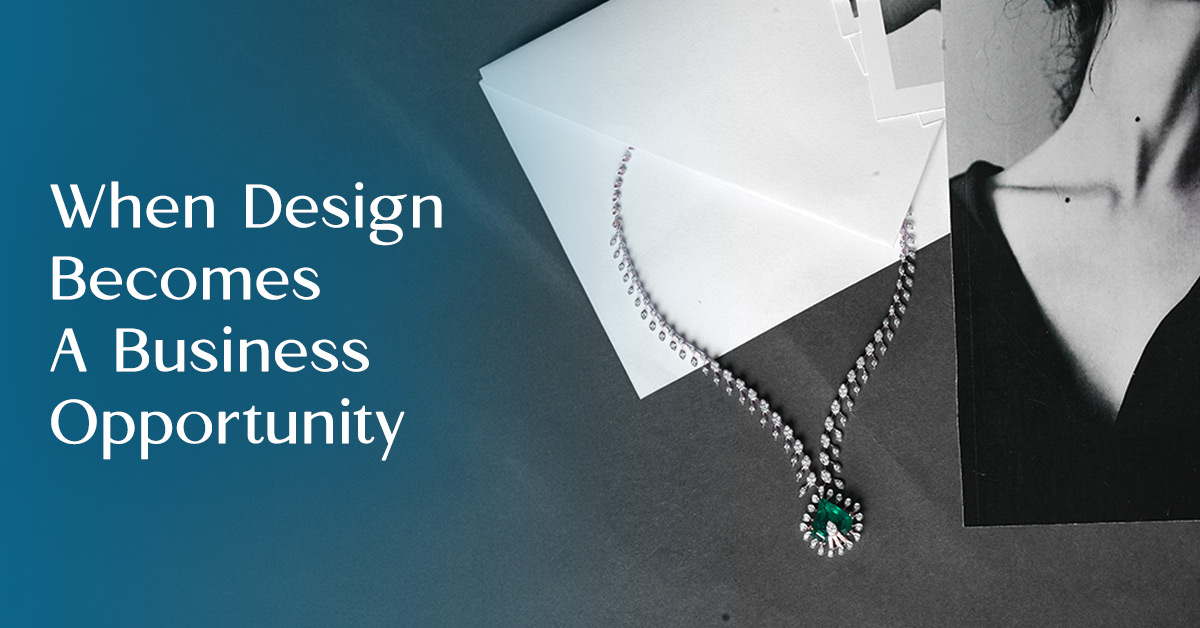
COUTURE AND JEWELLERY: WHEN DESIGN BECOMES A BUSINESS OPPORTUNITY

October 21, 2026
Fashion builds a visual identity. Fine jewellery gives that identity a second life, one that outlasts the season and opens new doors for brands, retailers and manufacturers.
Across India, designers are extending their creative identities into fine jewellery. Some are building their own labels, while others partner with established jewellery houses. In 2026 alone, couture and jewellery have shared a runway in Paris, New York and Delhi.
For the jewellery industry, creative direction, customer demand and manufacturing expertise are now closely connected.
WHY JEWELLERY IS ATTRACTING FASHION BRANDS
According to McKinsey’s State of Fashion 2026, jewellery unit sales are projected to grow 4.1% annually between 2025 and 2028, almost four times the expected growth of clothing. Branded jewellery grew 8.3% annually from 2021 to 2024, against 4.3% for unbranded, and now makes up 25% of the market. Diamond jewellery accounts for roughly one-third of global sales and is expected to grow 4-5% annually through 2028.
For a fashion brand, jewellery carries its identity into a category built on personal expression, craftsmanship and long-term value, and it keeps customers engaged beyond the fashion calendar.
THE 2026 SNAPSHOT
- January, Paris Couture Week: Indriya (Aditya Birla Jewellery) was the official jewellery partner for Gaurav Gupta.
- July, Paris Couture Week: Tanishq Natural Diamonds and Rahul Mishra unveiled their first couture jewellery collection ‘
- July, India Couture Week: Indriya partnered with House of Masaba for her first bridal couture collection.
- July: Saggar Mehra Couture and Nipun Khanna launched Vanraaj, a menswear and fine jewellery collection.
- September, New York Fashion Week: Sabyasachi launches a high jewellery collection, the start of a multi-year partnership with The Met.
The pattern is clear jewellery is being built into designers’ long-term brand strategy, and it is increasingly shown on global stages.
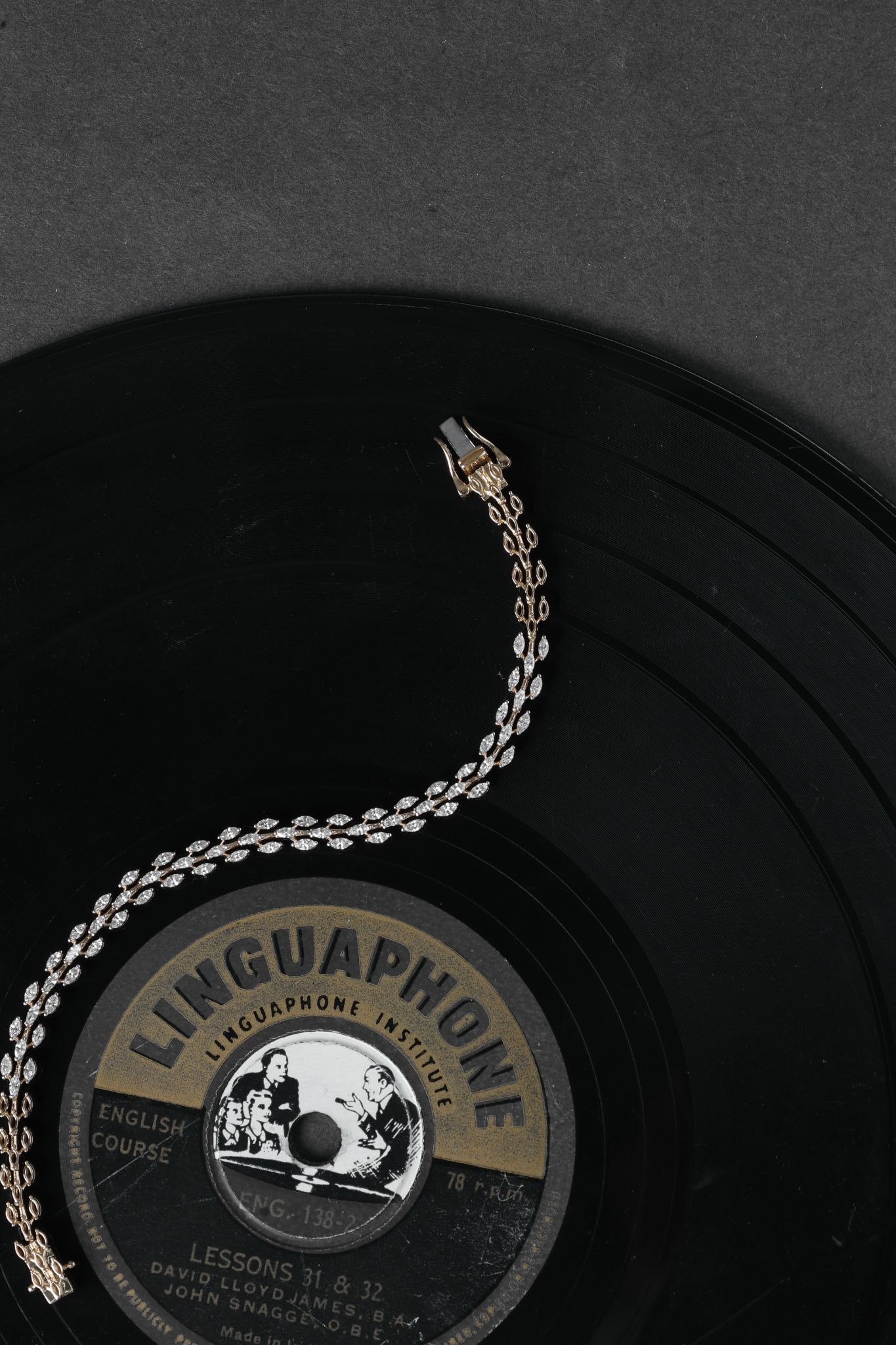
TWO ROUTES IN: INDEPENDENT BRANDS OR COLLABORATIONS
An independent label offers full creative control but demands investment in sourcing, production and distribution. Anita Dongre’s Pinkcity draws on Jaipur’s jewellery heritage, Manish Malhotra has extended his signature glamour into fine and high jewellery, and Gaurav Gupta Occasions Fine Jewellery launched with 50 pieces across necklaces, bracelets, rings, earrings and ear cuffs.
Collaboration is the other route. Masaba Gupta and Amrapali Jewels launched a 46-piece fine jewellery collection in January 2025, combining her bold design language with Amrapali’s craftsmanship. Tarun Tahiliani’s work with Tanishq Rivaah brought couture influences into bridal jewellery.
The appeal is practical. Designers enter a specialised category without building every capability alone, and jewellery partners reach customers who already admire the designer’s fashion.
FROM CREATIVE VISION TO COMMERCIAL ASSORTMENT
A striking necklace can define a campaign. A commercially relevant collection needs far more: designs that work across products, proportions, materials and price points, with complementary earrings, rings and bracelets so customers can buy in different combinations.
This is where manufacturing becomes central.
At Ariha Diamond Jewellery, we are a manufacturer with 20 years of experience we see the process as more than executing a design. We work through questions like these from the first sketch:
- Can this setting be produced consistently at scale?
- Which pieces carry the design story, and which make the range wearable?
- What price points does the collection need to cover?
Our view is that manufacturers should join the conversation early. It is the easiest way to protect a design’s character while building a collection that is technically sound and commercially viable.
WHY ASSORTMENT PLANNING MATTERS
In 2025, global gold jewellery consumption fell 18% by volume to 1,542 tonnes, while demand rose 18% in value to a record US$172 billion.
Consumers are spending more while buying less weight, which makes weight, price architecture and the mix of statement and everyday pieces more important. Deloitte India’s January 2026 analysis also lists inventory turnover, capital lock-in and assortment planning among retailers’ key priorities.
A beautiful range without sensible price points or complementary products will have limited reach.
INDIA’S ADVANTAGE: DESIGN MEETS MANUFACTURING
According to the 2025 De Beers India Diamond Acquisition Study, India accounts for approximately 12% of global diamond jewellery demand, making it the world’s second-largest market. The country also processes more than 90% of the world’s diamonds by volume and recorded US$27.72 billion in gems and jewellery exports in FY2025-26.
That combination of demand, expertise and export capability gives designers, retailers and brands access to an extensive manufacturing ecosystem, and gives manufacturers the chance to contribute well beyond production.
THE OPPORTUNITY LIES IN BRINGING IT ALL TOGETHER
Fashion’s move into fine jewellery is not just designers adding a product category. It reflects a market where creative identity, customer relationships and manufacturing capability increasingly shape one another.
Our professional view is that the next stage of growth will favour businesses that connect distinctive design with dependable manufacturing and disciplined product planning. A recognisable aesthetic can attract attention, but lasting value comes from turning it into jewellery that customers want, retailers can position and manufacturers can deliver consistently.
Design creates distinction. Manufacturing makes that distinction tangible. Together, they give a collection a credible place in the market.
PLANNING A JEWELLERY COLLECTION OR COLLABORATION?
Whether you are a designer exploring fine jewellery, or a retailer or brand developing a diamond jewellery range, we would like to hear from you. Ariha Diamond Jewellery supports partners from concept to production, from design feasibility to assortment planning and delivery.
Explore More

Best Diamond Jewellery to Stock for Diwali 2026

September 18, 2026
Learn what diamond jewellery retailers should stock for Diwali 2026, from minimal daily wear and gifting jewellery to festive, bridal and heavy diamond jewellery.
Read more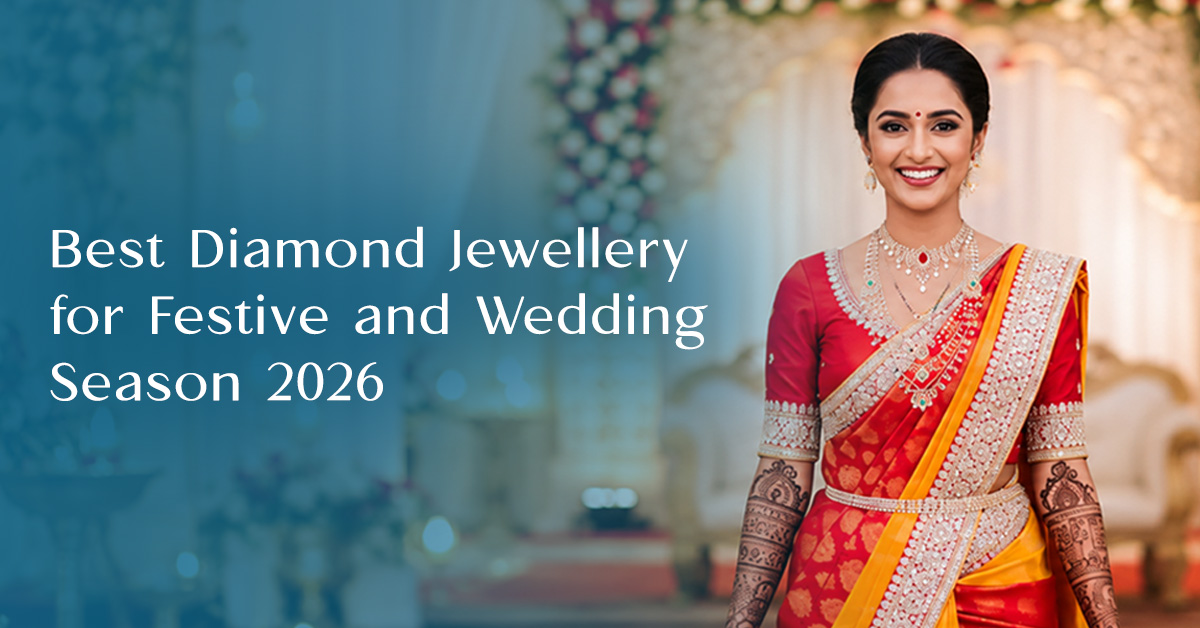
Best Diamond Jewellery for Festive and Wedding Season 2026
September 22, 2026
Learn how retailers can build a festive and wedding jewellery collection for 2026, from lightweight diamond jewellery and gifting pieces to statement and bridal designs.
Read more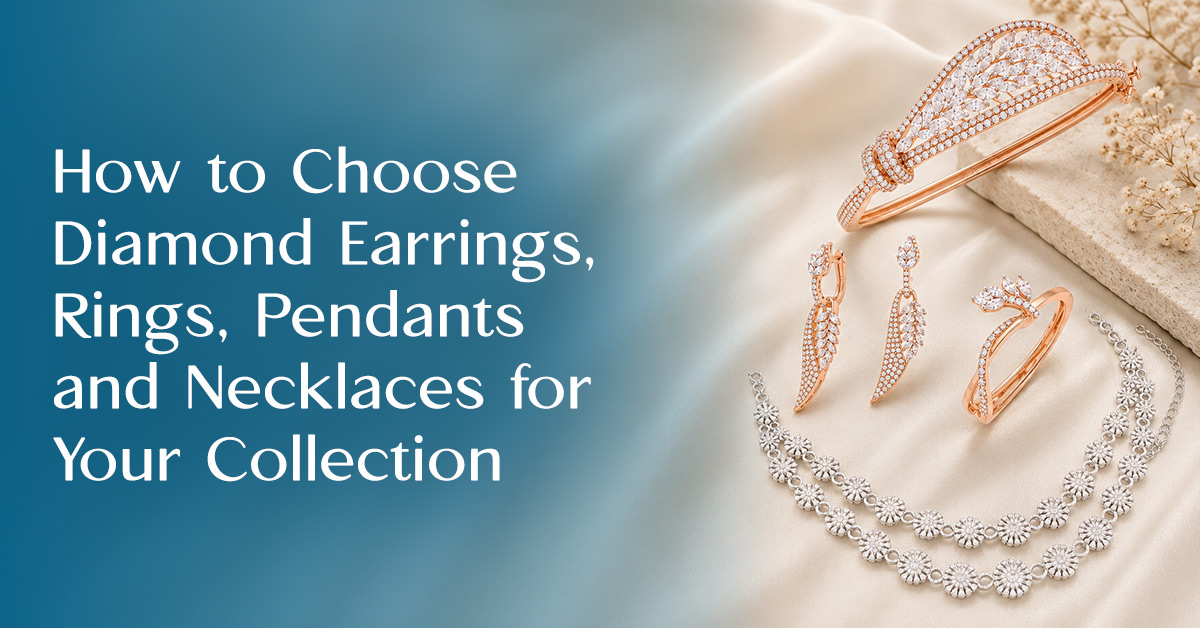
How to Choose Diamond Earrings, Rings, Pendants and Necklaces for Your Collection
August 21, 2026
Learn how retailers can build a well-balanced diamond jewellery collection across earrings, rings, pendants and necklaces, with guidance on design, customer occasions and assortment planning.
Read more


