
.svg)
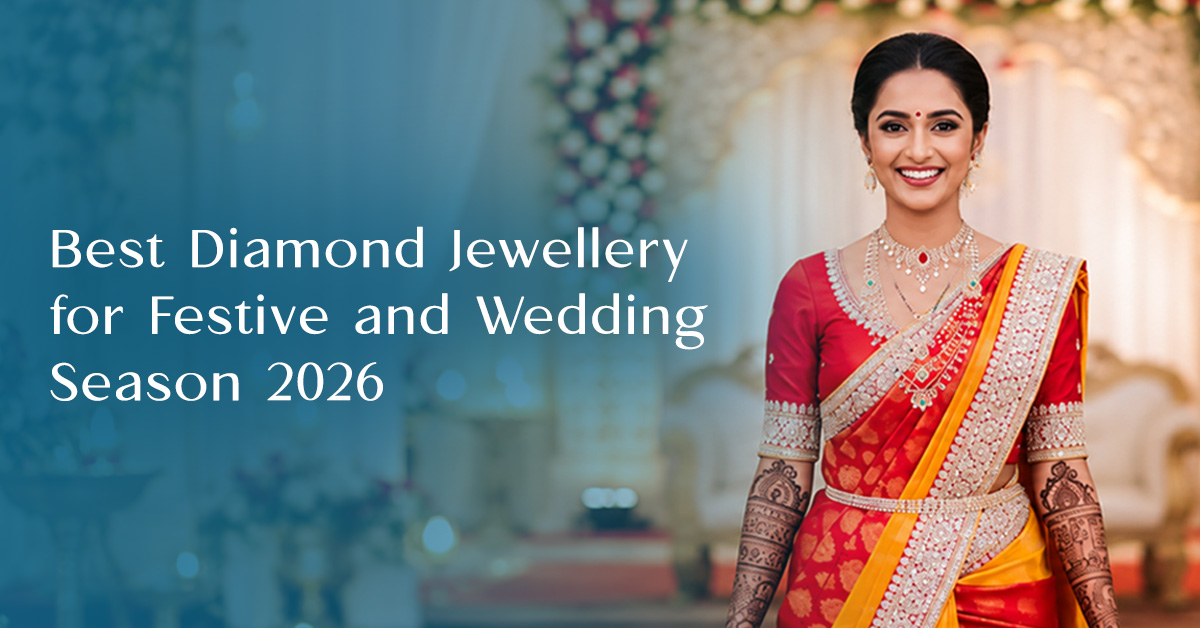
Best Diamond Jewellery for Festive and Wedding Season 2026

September 22, 2026
The festive and wedding season is one of the most important periods in the jewellery retail calendar because several kinds of buying happen at around the same time. A customer may come in looking for a small diamond gift for Diwali, another may want something new to wear to a festive gathering, while a family may already be planning jewellery purchases for a wedding later in the season.
These customers are shopping for very different reasons, even when they walk into the same store.
That distinction is important when planning festive and wedding jewellery. A collection built entirely around bridal jewellery can feel too heavy for someone looking for a festive purchase. A collection focused only on lightweight pieces leaves little room for customers shopping for a wedding or looking for a more substantial piece.
For retailers, the festive and wedding season is therefore less about one particular jewellery trend and more about creating an assortment that follows the different occasions customers are buying for. The collection needs pieces that can work for festive dressing, gifting, wedding functions and bridal purchases, while giving customers enough choice within each segment.
How Festive and Wedding Jewellery Buying Changes During the Season
Festive shopping tends to be immediate. A customer may decide to buy a pair of earrings for Diwali or choose a pendant as a personal purchase for the festive season. The jewellery needs to feel special enough for the occasion while remaining useful afterwards.
Wedding shopping tends to involve more planning. There may be several functions, several people buying jewellery and a much wider range of budgets. The bride may be looking for a complete set, while her sister may need statement earrings and another family member may be searching for a smaller piece.
This makes festive jewellery for retailers a broader category than it first appears. The same season can bring customers looking for minimal jewellery, gifting pieces, statement designs and bridal jewellery into the store. A strong seasonal assortment accounts for this range from the beginning.
What Makes a Strong Festive and Wedding Jewellery Collection?
A good festive wedding jewellery collection should have a clear progression in scale, occasion and price. At one end, lightweight earrings, rings and pendants give customers an easy entry into diamond jewellery. These pieces can work for festive self-purchase, gifting and smaller wedding functions.
The middle of the collection can introduce more distinctive designs with greater visual presence. Larger earrings, detailed pendants, statement rings and necklaces can work for festive celebrations as well as wedding functions. At the higher end are bridal and heavy jewellery pieces. These have a more specific role and cater to customers shopping for important wedding occasions.
The value of this structure is that each part of the collection has a reason to exist. Customers can find something for a Diwali gathering, a wedding gift or a major ceremony while still seeing a connection between the different designs.
Why Lightweight Festive Jewellery Has a Place in the Collection
Lightweight festive jewellery can be particularly useful for customers who want to mark the occasion with a new piece while keeping the jewellery wearable for other parts of the year. A pair of diamond earrings can work with festive clothing and later become part of an everyday wardrobe. A pendant can move from a Diwali outfit to a dinner or family occasion.
This gives lightweight pieces a longer retail life.
They can also serve the wedding market. Wedding guests often attend several functions, and each occasion can call for a different level of dressing. Someone may choose a smaller diamond piece for one function and a more substantial design for another.
For retailers, this makes lightweight jewellery an important part of diamond jewellery for festive season planning. It brings an accessible layer to the assortment while giving the customer a product that remains relevant after the festive period.
Choosing Diamond Jewellery for Festive Gifting
The customer may know the recipient well, but they are still making a decision based on what they believe the other person will actually wear. This is why versatile jewellery tends to make sense for gifting. Earrings, pendants and rings are familiar categories, and customers can usually understand how they will fit into a wardrobe.
The same applies to diamond jewellery for wedding gifting. A close family member may choose a more substantial piece for the bride, while another guest may prefer a smaller diamond gift that can be worn regularly.
Price range becomes important here. Festive and wedding gifting can cover very different budgets, so retailers need enough depth for customers to find an appropriate piece at the amount they have in mind.
The design itself also matters. A gift does not need to be highly occasion-specific to feel special. A well-designed diamond piece can carry the significance of the occasion while remaining useful long after it.
Where Festive Diamond Jewellery Fits Into the Assortment
There is a difference between jewellery that is simply suitable for a festive occasion and jewellery that has enough presence to make sense for one. Festive diamond jewellery can bring more visual interest into the collection through scale, detailing and stronger diamond presence. Statement earrings, larger pendants, cocktail-style rings and more prominent necklaces can give customers options for occasions where minimal jewellery feels too understated. At the same time, every festive design does not need to be heavy.
The festive customer base is too varied for that. Someone attending a large family celebration may want a statement piece, while another customer may be dressing for a smaller gathering and prefer something more restrained.
This is where festive jewellery trends 2026 can help inform assortment planning. Trends are most useful when they give retailers a direction for proportion, styling or design while leaving enough room for different customer preferences. The trend should support the collection.
Why Wedding Jewellery Needs More Than Bridal Pieces
When retailers think about wedding diamond jewellery, bridal pieces naturally receive a lot of attention. They are an important part of the season, but they represent only one part of wedding jewellery buying.
A wedding creates several occasions and several potential buyers. There may be jewellery required for a pre-wedding celebration, a ceremony, a reception or another family event. The bride's mother, sister, relatives and close friends may all be shopping during the same period. This creates demand across different levels of jewellery.
A customer may want statement earrings for a reception, a necklace for the main ceremony or a smaller diamond piece that can be worn across multiple functions. This is why wedding jewellery for retailers needs depth beyond a bridal section.
The wider the range of occasions a collection can address, the more useful it becomes on the retail floor.
Bridal and Heavy Jewellery Have a Different Role
Bridal and heavy jewellery sits at the higher end of the assortment because these purchases are closely connected to major occasions.
For a bride, the jewellery needs to work with the scale of the outfit and the significance of the ceremony. Larger necklaces, statement earrings, coordinated sets and heavier diamond designs can all play a role in this part of the collection.
The festive period can also be when customers begin serious wedding jewellery shopping. Families may start looking at bridal pieces during the festive season even when the wedding itself is scheduled later.
That makes diamond jewellery for wedding season an important consideration when planning festive stock. Bridal and heavy pieces may have a narrower audience than lightweight jewellery, but their relevance can extend across the broader wedding calendar.
The assortment needs to give these pieces enough space while keeping the rest of the collection accessible.
What Do Wedding Jewellery Trends 2026 Mean for Retailers?
Wedding jewellery trends 2026 are worth watching, but retailers need to look at them through the lens of actual customer demand.
One of the useful directions in wedding jewellery is versatility. Customers can spend significantly on a wedding piece and still want to understand how it can be worn after the wedding. Designs that retain their occasion value while working with other outfits can therefore have broader relevance.
This applies to natural diamond wedding jewellery as well. Natural diamonds can appear across a wide range of designs, from relatively understated pieces to elaborate bridal jewellery. The role of the jewellery changes through its scale, construction and styling.
For retailers, this creates a useful distinction between following a trend and building an assortment. A trend may influence the look of a collection, but the collection still needs enough variety to address different occasions and customers.
Natural Diamond Jewellery Can Work Across the Season
Natural diamond festive jewellery can sit comfortably across both festive and wedding assortments because the material works across different levels of design.
A smaller diamond pendant can serve a customer looking for a festive self-purchase. Earrings can work as a gift. A more elaborate necklace can move into festive celebrations and wedding functions, while larger coordinated pieces can serve bridal customers.
This range gives retailers room to create progression within a natural diamond collection.
The customer can begin with a lightweight piece and still see a clear connection to more substantial designs. A retailer can also build collections around recurring design details, allowing related products to sit together rather than making every piece feel like an isolated purchase.
For a seasonal assortment, this continuity matters.
How to Build the Right Mix Across Price Points
A festive and wedding collection needs range in price as much as it needs range in design.
The entry point can come from smaller earrings, rings and pendants suited to personal purchases and gifting. The middle of the assortment can carry more distinctive festive and occasion jewellery. The higher end can focus on statement and bridal pieces.
This gives customers room to move according to their budget.
It also gives retailers a better way to think about stock. Each piece should have a clear role within the collection. A lightweight pendant may bring a new customer into the category. A statement earring may serve a wedding function. A bridal set may represent a much larger purchase.
When these roles are understood, the assortment becomes easier to plan and merchandise.
Why Festive Jewellery Stock Should Continue Into the Wedding Season
The festive season may create the initial demand, but the wedding calendar gives retailers a longer opportunity.
This is particularly true for lightweight jewellery. A piece purchased for Diwali can continue to sell as everyday jewellery, while festive designs with stronger occasion appeal can remain relevant for parties and wedding functions.
The same principle applies to wedding jewellery. Bridal and heavy pieces can continue through the wedding calendar, while smaller wedding jewellery can move into gifting and occasion wear.
This is why festive jewellery stock should be planned with its life after the festive period in mind. Seasonal buying becomes more practical when the collection has enough designs that can continue selling as customer occasions change.
What Retailers Should Look for in a Festive and Wedding Jewellery Manufacturer
The manufacturer plays an important role when the collection needs to cover such a broad range.
A retailer planning festive jewellery for retailers may need lightweight pieces, stronger occasion designs and gifting jewellery within the same season. Wedding collections add another layer through bridal and heavier designs.
This requires design development and manufacturing capabilities that can work across different categories while keeping a collection coherent.
A manufacturer that takes a design from concept and sketch through CAD, R&D and 3-D printing can develop pieces with production in mind. This becomes particularly useful when retailers want to extend a successful design into another category.
Production consistency matters too. A design that performs well during the festive season may need to be repeated, extended or adapted for the wedding season.
For wedding jewellery for retailers, that ability to develop and reproduce related designs can become an important part of the manufacturing relationship.
How Ariha Approaches Festive and Wedding Jewellery
Ariha has over 20 years of experience in jewellery manufacturing, with collections covering daily wear, classic jewellery, bridal designs, contemporary styles and statement pieces.
Its design process moves from Concept and Sketch to CAD, R&D and 3-D Print, with attention to proportion, construction and manufacturability. This approach allows a design to be considered as a production-ready piece rather than only as an initial visual idea.
That range is relevant to festive and wedding buying because the seasonal collection needs different levels of jewellery. A retailer may require minimal daily-wear pieces for festive self-purchase, gifting jewellery for family occasions and more substantial designs for weddings.
Ariha's collections include Bridal Bliss, Signature Classic, Radiance Muse, Heritage Ethos, En Vogue and Western Allure, giving retailers different design directions across the broader assortment.
Its manufacturing process moves through Casting, Filing, Polishing, Setting, Rhodium Plating and Quality Control. For seasonal collections, these stages become particularly important when a retailer needs continuity between an initial order and later repeat production.
Building a Festive and Wedding Jewellery Collection for 2026
The 2026 festive and wedding season brings several different jewellery occasions into the same retail window. Customers are shopping for themselves, for family and friends, for wedding functions and for bridal occasions.
That makes festive and wedding jewellery a collection-building exercise rather than a single product decision.
Lightweight festive jewellery can serve self-purchase and everyday wear. Gifting pieces can address customers buying for someone else. Festive diamond jewellery can bring greater presence to occasion dressing, while wedding and bridal jewellery can serve the more substantial purchases that come with the wedding season.
For retailers, the most useful collection is one where these categories have a relationship with each other. A customer should be able to move from a smaller festive piece to a more substantial occasion design and still recognise a connection between them.
The festive season creates the buying moment. A well-planned jewellery collection gives that customer reasons to keep looking, buying and returning through the wedding season.
Explore More

Best Diamond Jewellery to Stock for Diwali 2026
.svg)
September 18, 2026
Learn what diamond jewellery retailers should stock for Diwali 2026, from minimal daily wear and gifting jewellery to festive, bridal and heavy diamond jewellery.
Read more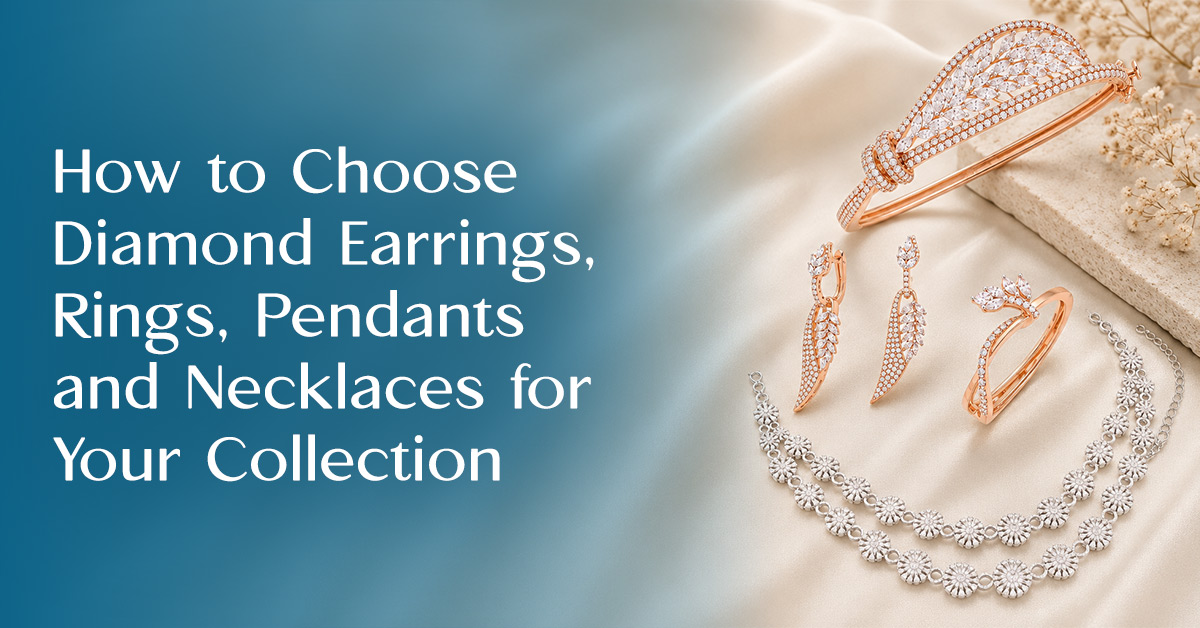
How to Choose Diamond Earrings, Rings, Pendants and Necklaces for Your Collection
August 21, 2026
Learn how retailers can build a well-balanced diamond jewellery collection across earrings, rings, pendants and necklaces, with guidance on design, customer occasions and assortment planning.
Read more
Best Natural Diamond Jewellery Manufacturer in India for Retailers
August 11, 2026
Discover what retailers should look for in a natural diamond jewellery manufacturer in India, from design development and craftsmanship to production capabilities and reliable repeat orders.
Read more.svg)


