
.svg)
.jpg)
Diamond Jewellery Manufacturing: From Design to Retail Showcase

May 19, 2026
Diamond jewellery manufacturing is understood most clearly at the retail counter, where pieces from different batches sit side by side and are expected to read as one collection where proportion, finish, and setting hold across every piece.
This expectation shapes how a diamond jewellery manufacturer approaches each part of the process, from the first design decision to the final piece placed in a showcase.
Design and Development in Diamond Jewellery
Design defines how a piece will carry through production.
Stone placement, spacing, and metal balance are resolved with attention to how they translate into repeated output, where even a slight variation in spacing between stones can shift how a row aligns when multiple pieces are displayed together.
In fine diamond jewellery, this becomes critical for categories such as rings and earrings, where customers compare similar designs closely before selecting one, making alignment and proportion central to the decision.
Diamond Jewellery Manufacturing Process
Once the design moves into diamond jewellery manufacturing, execution determines how accurately that design is carried forward.
Casting establishes the base structure, and any variation at this point influences symmetry and alignment across the finished piece. Stone setting follows, where uniformity in depth, spacing, and grip ensures that stones sit evenly across a batch.
If one set of pieces holds stones at a slightly different height or spacing, the difference becomes visible when displayed together, affecting how the collection reads as a whole.
Polishing and finishing define surface quality and edge clarity, which influence how light reflects across multiple pieces placed in the same showcase. In daily wear diamond jewellery, where pieces are handled frequently, surface consistency becomes more noticeable over time, as variations in finish begin to separate pieces that were intended to sit together as part of one range.
Quality Control in Diamond Jewellery
Quality control ensures that each piece aligns with the original design standard.
Every piece of diamond jewellery is checked for uniformity in setting, finish, and proportion, so that it matches the reference established during development.
For retailers, this allows new stock to be placed directly into the existing display and read as part of the same range, maintaining continuity across deliveries.
From Manufacturing to Retail Showcase
The transition from production to retail is where the process becomes visible.
A retailer displaying daily wear diamond jewellery or classic diamond jewellery expects pieces from different deliveries to sit together with the same proportion, finish, and setting across every delivery.
When this alignment holds, the showcase presents a clear and structured collection. Even small shifts in proportion or finish can interrupt this flow, making similar designs appear unrelated when viewed side by side.
Repeat Orders and Collection Continuity
Repeat orders carry a defined expectation.
A retailer placing an order months after the initial purchase expects the new pieces to match the earlier stock in proportion, finish, and overall appearance, allowing the collection to continue seamlessly.
At the counter, this becomes visible when a customer returns to purchase a matching piece, such as a second earring or a similar ring, and expects the new selection to align with what they have already bought. When batches hold together, the decision is immediate. When variation appears, the difference becomes part of the conversation.
For a diamond jewellery supplier, maintaining this continuity shapes long-term reliability and trust within retail partnerships.
Conclusion
The strength of diamond jewellery manufacturing lies in how well it holds across time, where each batch reflects the same design intent and execution as the one before it.
For retailers, this translates into collections that grow without losing coherence, where each new order strengthens the range and carries forward the structure already established in the showcase.
Explore More

Best Diamond Jewellery to Stock for Diwali 2026
.svg)
September 18, 2026
Learn what diamond jewellery retailers should stock for Diwali 2026, from minimal daily wear and gifting jewellery to festive, bridal and heavy diamond jewellery.
Read more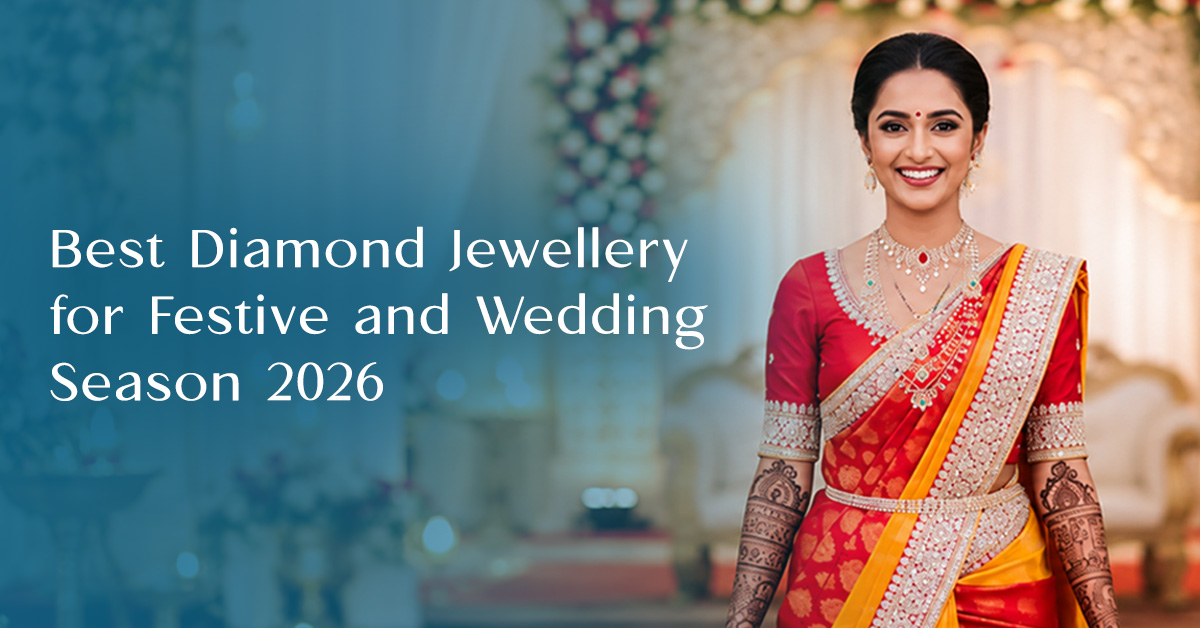
Best Diamond Jewellery for Festive and Wedding Season 2026
September 22, 2026
Learn how retailers can build a festive and wedding jewellery collection for 2026, from lightweight diamond jewellery and gifting pieces to statement and bridal designs.
Read more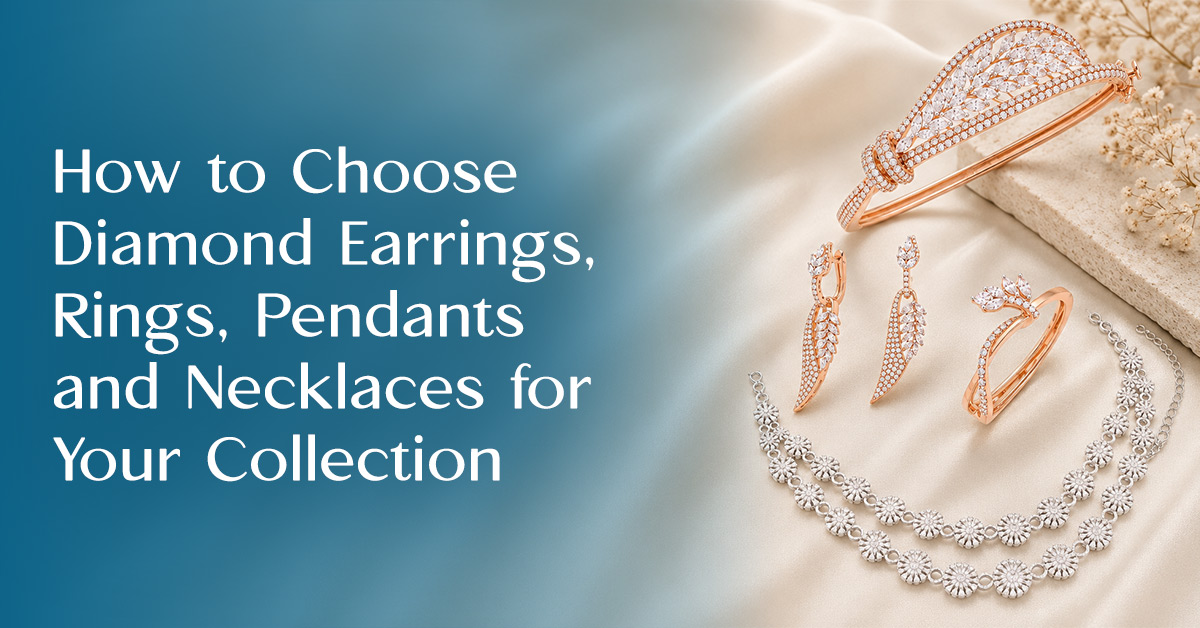
How to Choose Diamond Earrings, Rings, Pendants and Necklaces for Your Collection
August 21, 2026
Learn how retailers can build a well-balanced diamond jewellery collection across earrings, rings, pendants and necklaces, with guidance on design, customer occasions and assortment planning.
Read more.svg)


